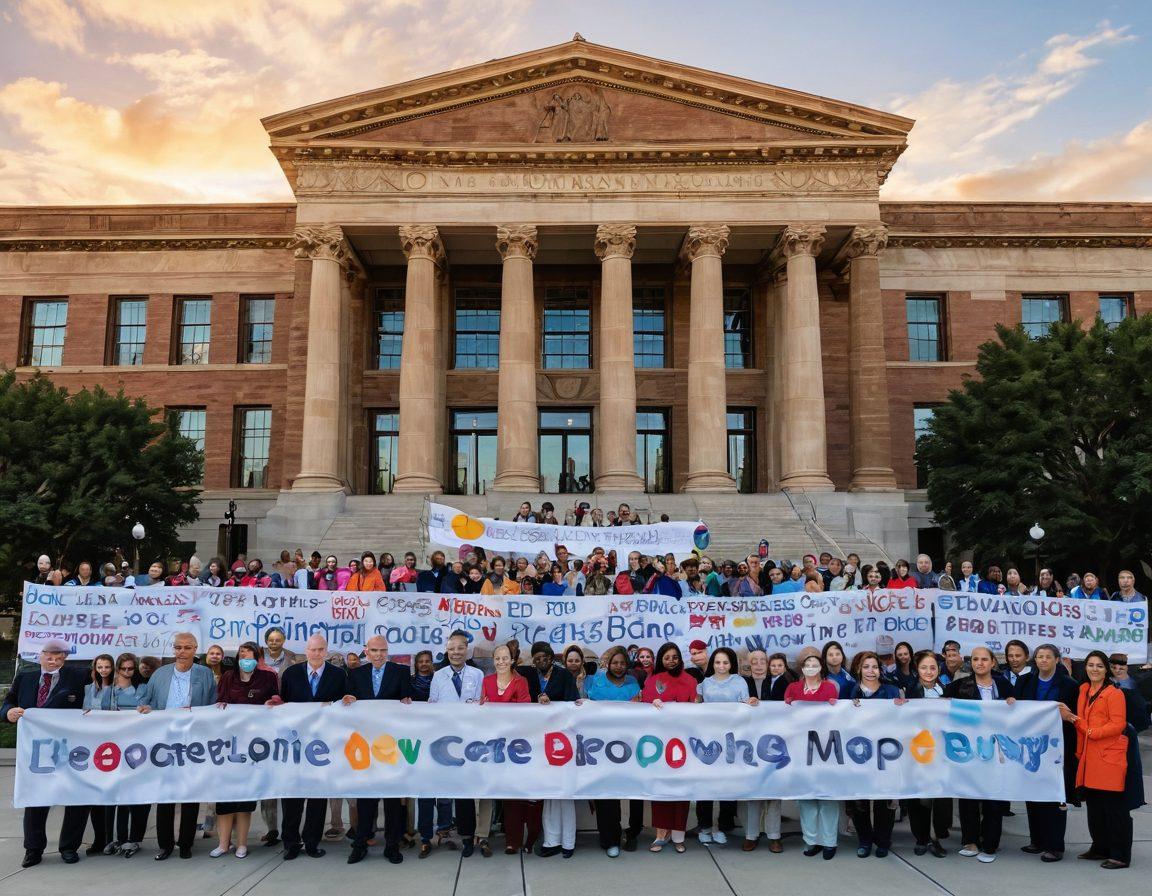
Empowering Patients: The Impact of Legislative Advocacy in Cancer Care
Navigating the complex intersection of health policy and patient advocacy in oncology can often feel like sailing through turbulent waters. For many, the journey is fraught with challenges, uncertainty, and, at times, despair. But what if we told you that patient advocacy efforts and legislative policies could merge to create a lifeline for those affected by malignancies? In an era where awareness campaigns and charity events are booming, understanding how these elements come together in the realm of cancer care can empower not only patients but also communities seeking preventive measures and holistic health solutions.
At the heart of effective patient advocacy lies a strong understanding of legislative issues. How can patients and their families contribute to shaping health policy that prioritizes their needs? Engaging in dialogue about clinical trials, cancer research, and innovative therapies allows individuals to voice their experiences and insights. By participating in public health discussions, patients can highlight the challenges they face—from symptom management to mental health—and advocate for healthcare legislation that directly impacts their quality of life. When patients speak from the heart, their stories have the power to influence policy makers and bring about meaningful change.
One poignant example comes from support groups that have emerged from grassroots movements. These groups not only provide emotional sustenance but also serve as platforms for fundraising and community outreach. Survivorship, with its ups and downs, becomes a shared experience, fostering camaraderie among individuals battling tumors of all kinds. Through these interactions, members are encouraged to take charge of their cancer care journeys by sharing vital patient resources and health education materials. After all, knowledge is power, particularly in a field as dynamic as oncology, where scientific studies can quickly shift the landscape of treatment options.
Imagine a world where patient advocacy leads the charge for improved healthcare strategies. When advocates unite to lobby for better access to preventive measures and fair insurance practices, they create a formidable force. Patients have the authenticity and first-hand experience to drive conversations around bioethics and the moral implications of healthcare decisions. This proactive approach not only enhances treatment accessibility but also enriches the dialogue around cancer prevention. Moreover, as public awareness mounts through social media and community events, more individuals are compelled to become advocates in their own right.
At its core, navigating health policy and patient advocacy in oncology isn't just about legislation—it's about building a culture of support and empowerment. Every voice counts, and every story matters. If you're interested in making a difference, consider how you might participate in awareness campaigns or local fundraising initiatives. Connect with others in similar situations and join forces to reinforce the community's need for improved cancer care policies. In doing so, you contribute to a larger narrative—one where every individual has access to compassionate and comprehensive healthcare.
Transforming Cancer Care: The Role of Legislative Support and Community Engagement
In the realm of oncology, the journey through cancer care often feels like an uphill battle. Malignancy doesn’t just affect the physical body; it brings an emotional and mental toll as well. However, what truly transforms the landscape of cancer care is not just the advancement of therapies or clinical trials, but rather how communities rally around those affected by tumor-related diseases. Legislative advocacy emerges as a powerful tool that fuels these transformations, amplifying voices and inspiring action. How can the fusion of community engagement and legislative support reshape the future of cancer care?
Imagine a world where every cancer survivor feels empowered, where every individual battling illness has unwavering support and resources. The promise of this reality lies in health policy that prioritizes cancer prevention, survivorship, and holistic health approaches. Advocacy groups are not merely interested in fighting legislative issues; they work tirelessly to ensure that preventive measures are part of our healthcare dialogue. When communities gather to support patient advocacy, they lay the groundwork for a robust public health strategy focused on health education and symptom management. These grassroots movements can lead to groundbreaking changes, as ordinary individuals drive an extraordinary shift in cancer care.
One of the most poignant examples of this movement is seen through awareness campaigns that shine a spotlight on cancer-related challenges. Organizing charity events and fundraising initiatives becomes a collective celebration of life and a way to honor those affected by malignancies. When community outreach takes center stage, stories of resilience and hope emerge. As one advocate put it, “We aren't just fighting cancer; we're building a network of hope and healing for all.” Are you ready to join this community of empowered individuals?
The impact of legislative support in the world of oncology is profound. It paves the way for improved patient resources and support groups, ensuring that individuals don’t navigate their cancer journeys alone. With the backing of health care legislation, communities can access vital mental health resources that complement their medical treatments. Integrating mental health into cancer care is not just beneficial; it's essential for overall well-being. This holistic approach to treatment allows survivors not only to overcome the physical challenges of tumors but to thrive post-treatment. How can we further advocate for mental health in oncology settings?
Science and passion intersect in the fight against cancer. Scientific studies and cancer research are essential, but they often lack momentum without the advocacy and voices of the community pushing them forward. As patients, families, and community members come together to address legislative issues, they foster an environment where innovation in treatments can flourish. The story of cancer care continues to evolve, intertwining hope for future generations with the commitment of those who fight today. What role will you take in this evolving narrative of advocacy and transformation?
Holistic Strategies in Cancer Prevention: Empowering Patients through Advocacy and Legislation
In the fight against malignancy, the role of patient advocacy has never been more critical. The landscape of oncology is changing, with an increasing emphasis on holistic strategies not just for treatment, but for prevention as well. What if the key to a healthier future lies not just in advanced therapies or clinical trials, but in empowering patients through informed legislative advocacy? This question takes us to the heart of how advocacy can shape health policy, enhance cancer care, and enrich the well-being of patients and communities. By weaving patient experiences into the tapestry of public health initiatives, we can create a system that not only treats cancer but strives to prevent it.
Imagine a world where every individual diagnosed with cancer feels equipped to fight back—not just with treatments for their tumor, but with knowledge, resources, and support to understand their rights and the legislative issues impacting their care. Patient advocacy empowers individuals with information, fostering a community of support groups that provide guidance and shared experiences. Think of the powerful quote by U.S. Senator John McCain, who said, 'You don’t need to be a patient to stand up for patients.' This commitment to solidarity not only strengthens individual resilience but also fuels awareness campaigns that aim to tackle health disparities in cancer care.
Holistic health strategies in cancer prevention incorporate mental health, health education, and community outreach, realizing that cancer is not just a physical battle but also an emotional and psychological journey. Prevention is paramount; thus, we must advocate for preventive measures that emphasize early detection and lifestyle changes, reinforcing the idea that education can save lives. Legislative advocacy can usher in policies supporting cancer research funding, ensuring that scientific studies explore a plethora of cancer prevention methods and treatments that resonate with patients’ lived experiences.
In addition to raising awareness, advocating for health policy is crucial when it comes to access to patient resources. These resources are the backbone of effective symptom management and survivorship after a diagnosis. By participating in fundraising and charity events aimed at supporting research and patient programs, advocates can directly impact the landscape of oncology. The collaboration between patients, caregivers, healthcare professionals, and lawmakers can create a powerful alliance that drives change, ensuring that cancer care addresses the totality of the patient's experience.
Ultimately, the fusion of patient advocacy and legislative action forms a robust strategy for improving cancer prevention efforts and outcomes. It urges us to ask: how can we better support one another in this fight? By empowering patients, engaging in health policy discourse, and campaigning for the right changes, we can build a future where cancer care is as much about preventing illness as it is about curing it. Everyone has a role in this fight; whether by joining a support group or participating in research, each action contributes to a larger mission for well-being and public health. Together, we can reshape the narrative of cancer and inspire a new generation of advocates.